
Warming, Aromatic Spicy Flavours
Chilli and capsicum heat, warm baking spice, savoury seed and the sweet heat behind swicy. Natural flavourings and extracts in liquid, powder and granules.
Overview
About Spicy Flavours
Spicy flavours cover both heat; the physical sensation you get from chilli, black pepper, mustard and ginger, and warmth; the aroma of cinnamon, cardamom, clove and star anise. Both have become hugely popular, driven by global cuisines and by swicy, the sweet heat trend currently defining snacking and confectionery, and demand for a spicy taste now runs right across food and drink.
Building spicy flavours from ground spice has its challenges. Quality varies by harvest, origin and storage, so the same recipe can drift throughout the year, while using whole spice brings speck, colour and a higher microbiological risk. Flavourings and extracts hold a fixed profile, dose at a fraction of the weight and stay consistent batch to batch.
Uren is a leading supplier of spicy flavours and high quality ingredients to the UK food and beverage industry. Specialising in natural and organic flavourings and extracts, we are at the forefront of clean label development and supply working with top food and beverage manufacturers. Whether the brief calls for gentle warmth or serious heat, we deliver the same consistent product each and every time.
Our range
Explore our Spicy Flavours
-
-
-
-
-
-
-
-
-
-
-
-
-
-
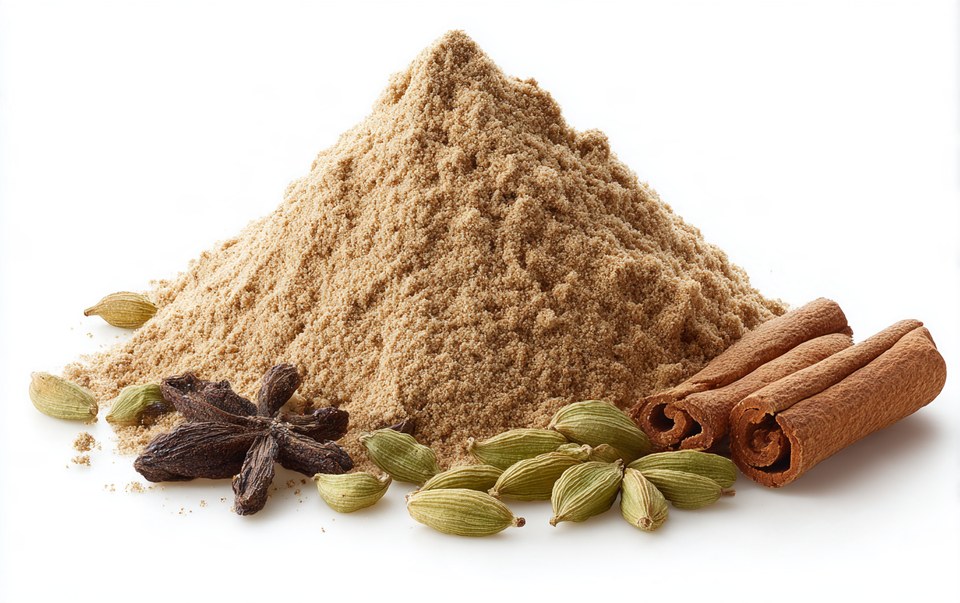
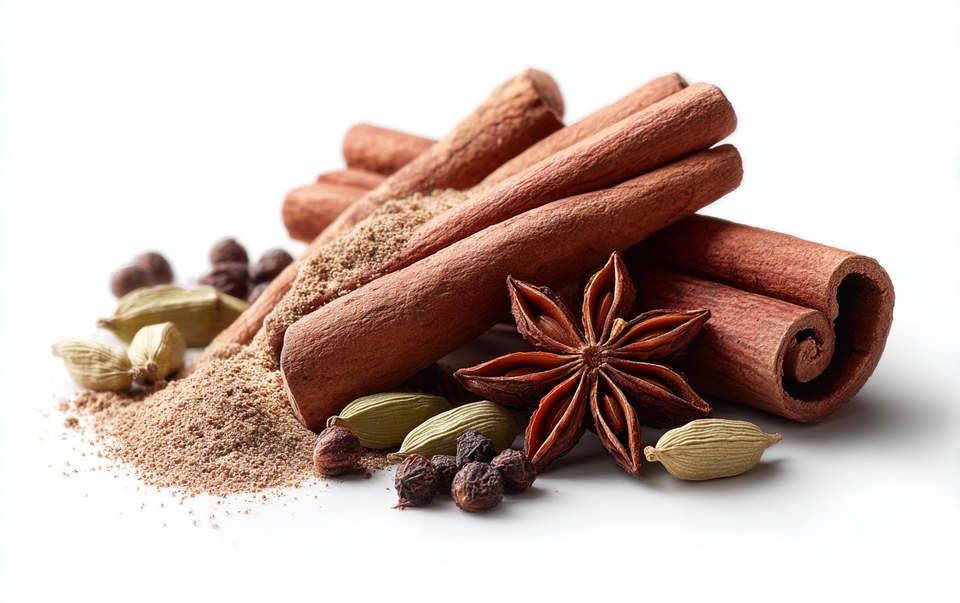
Garam masala
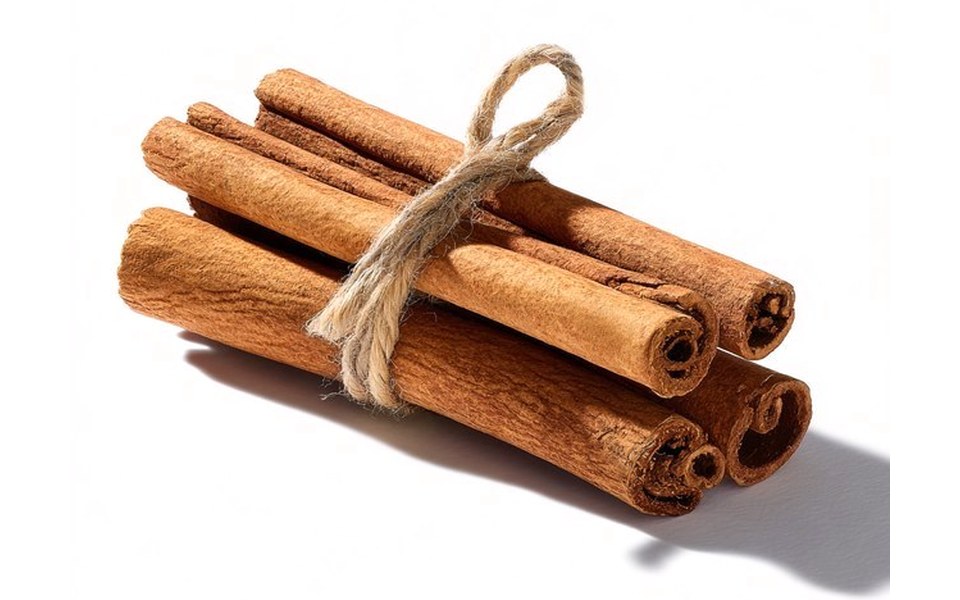
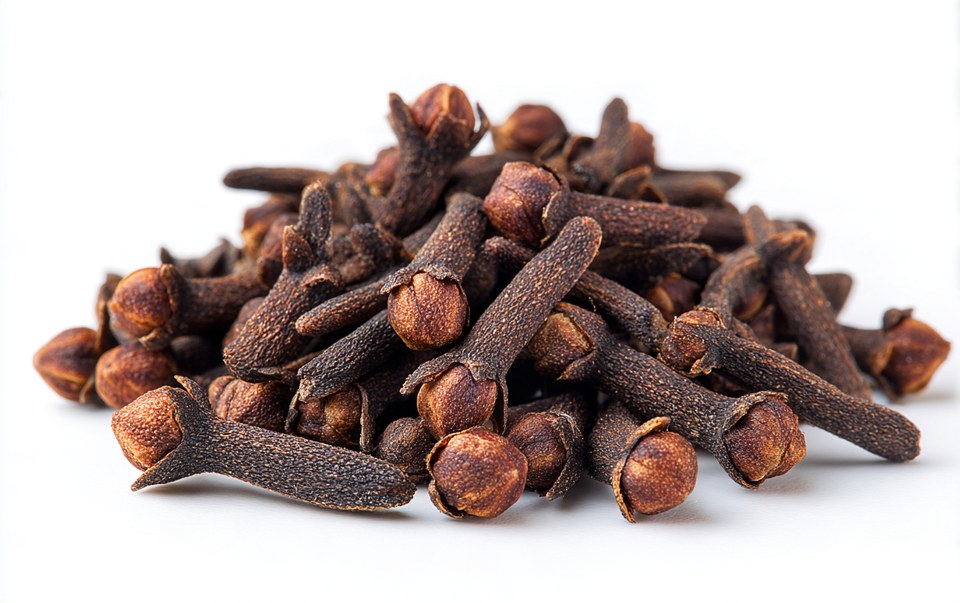
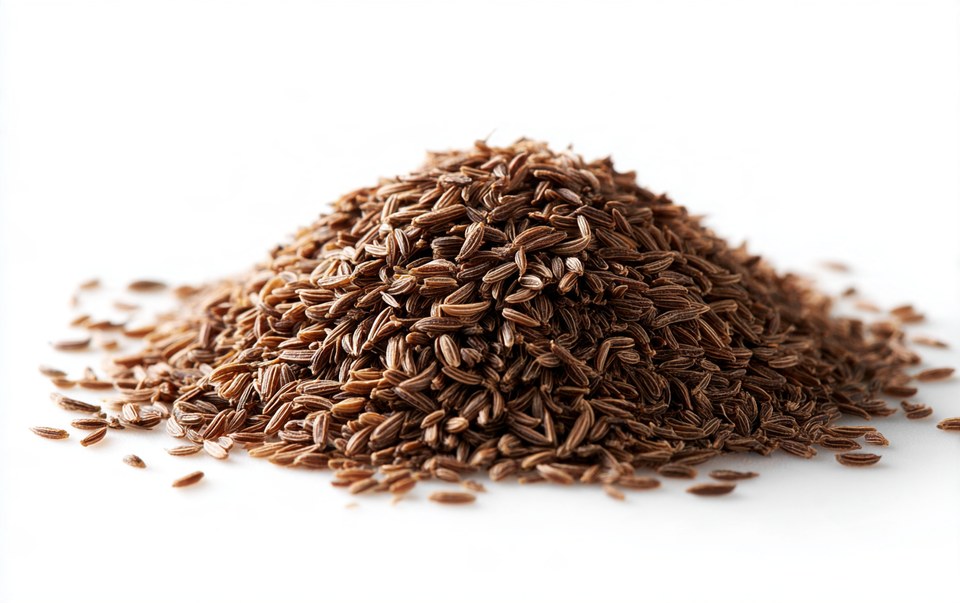
The warming North Indian blend, usually cinnamon, cardamom, clove and cumin.
Request this → -
-
-
-
-
-
-
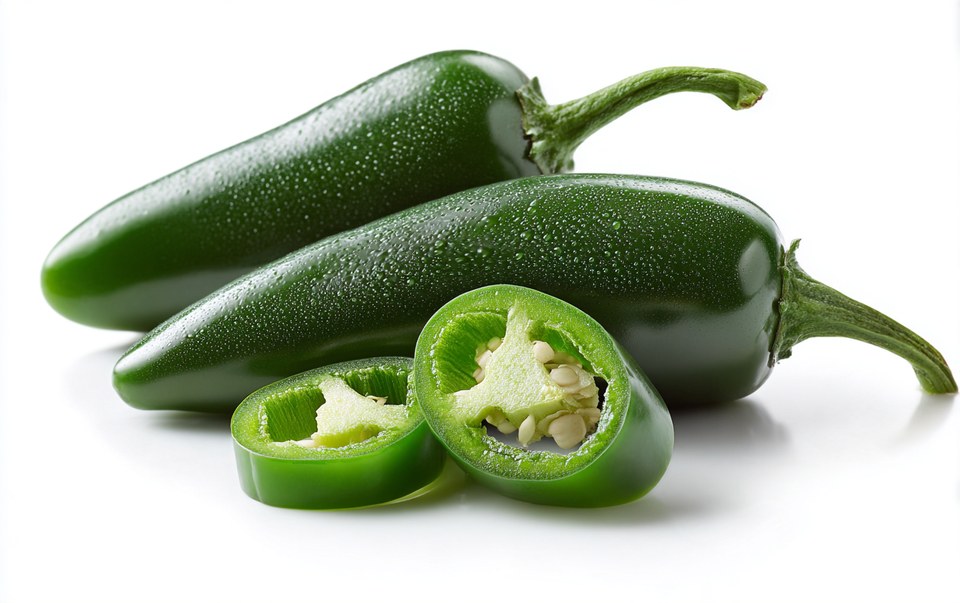
-
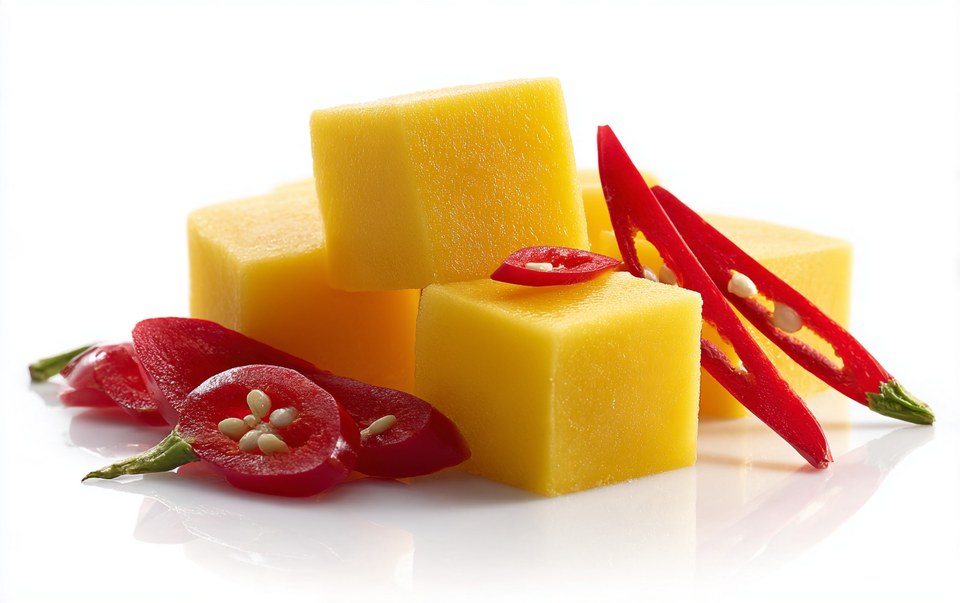
-
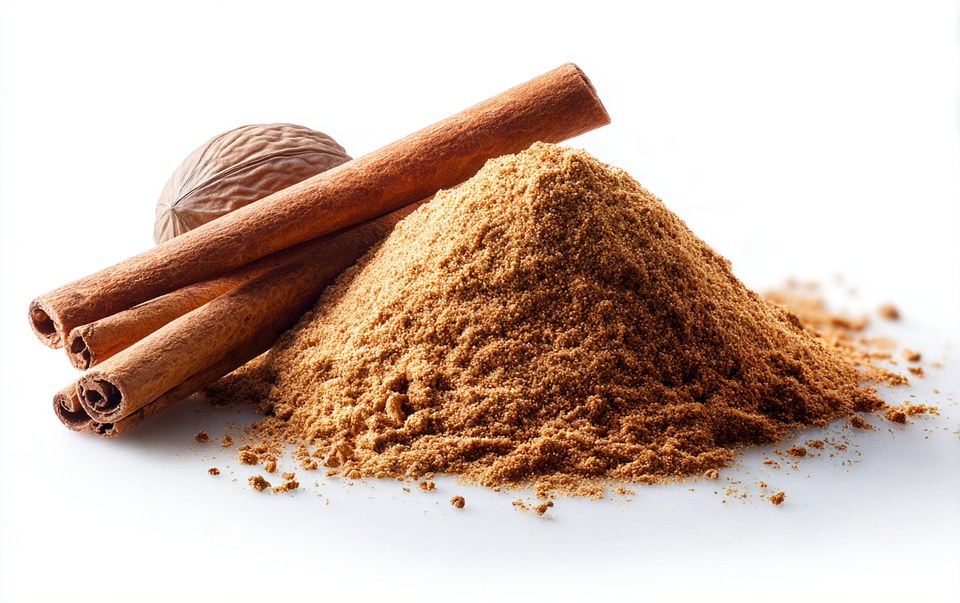
-
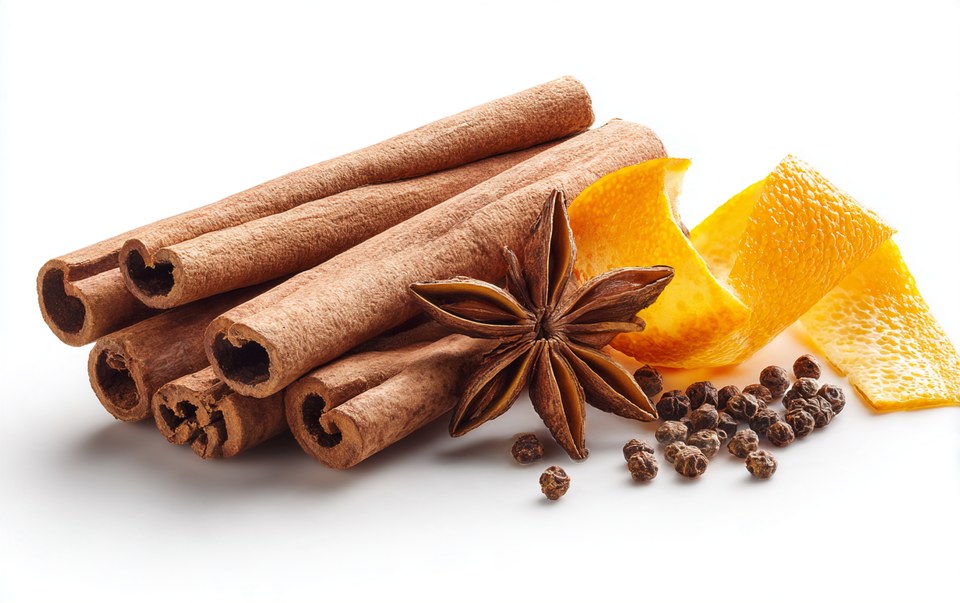
-
-
-
-
-
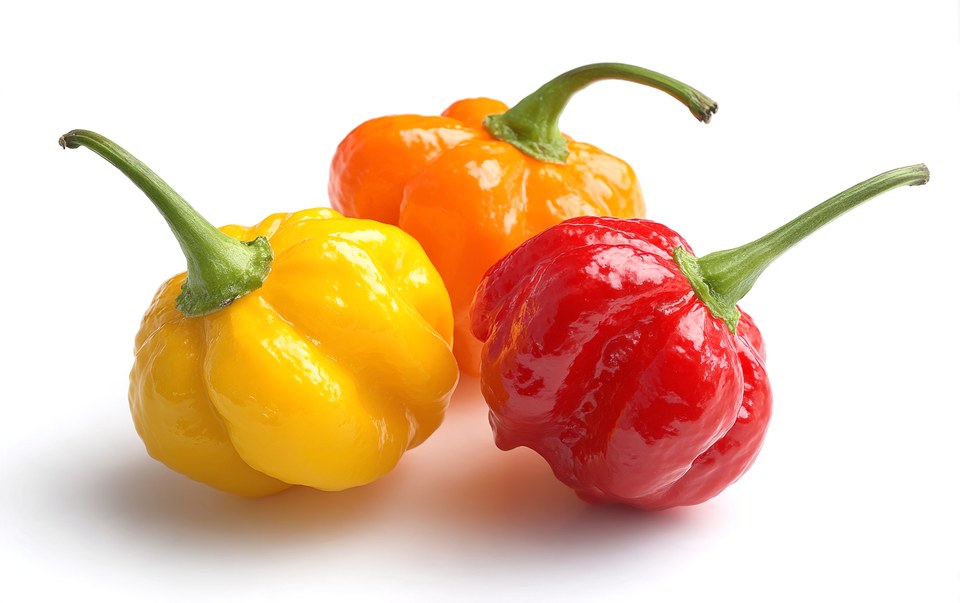
-
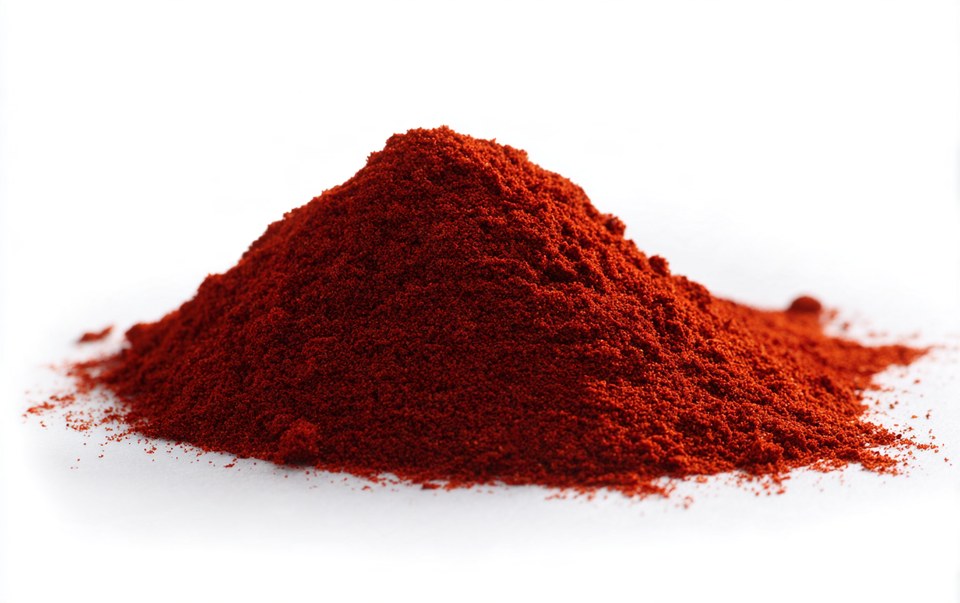
-
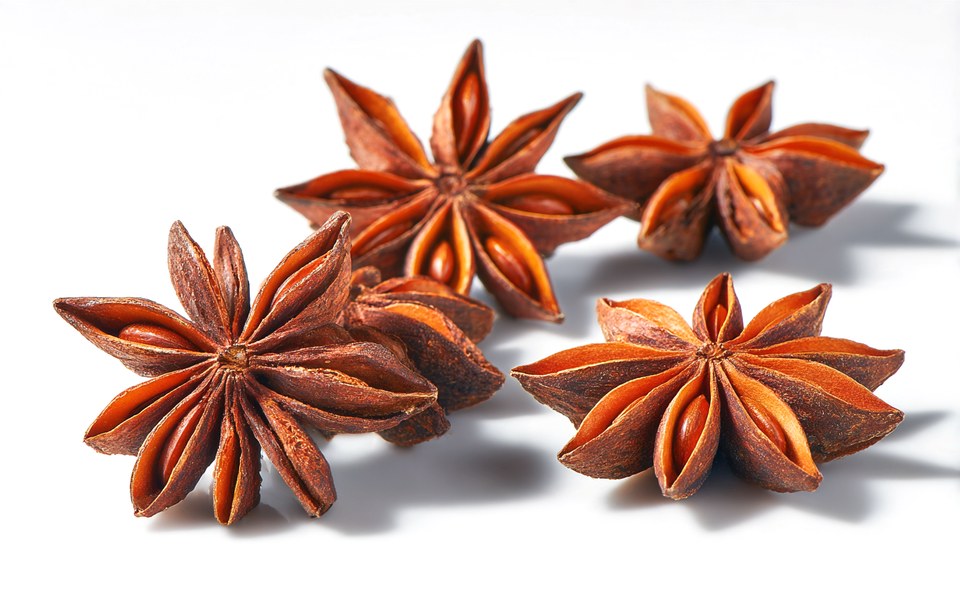
-
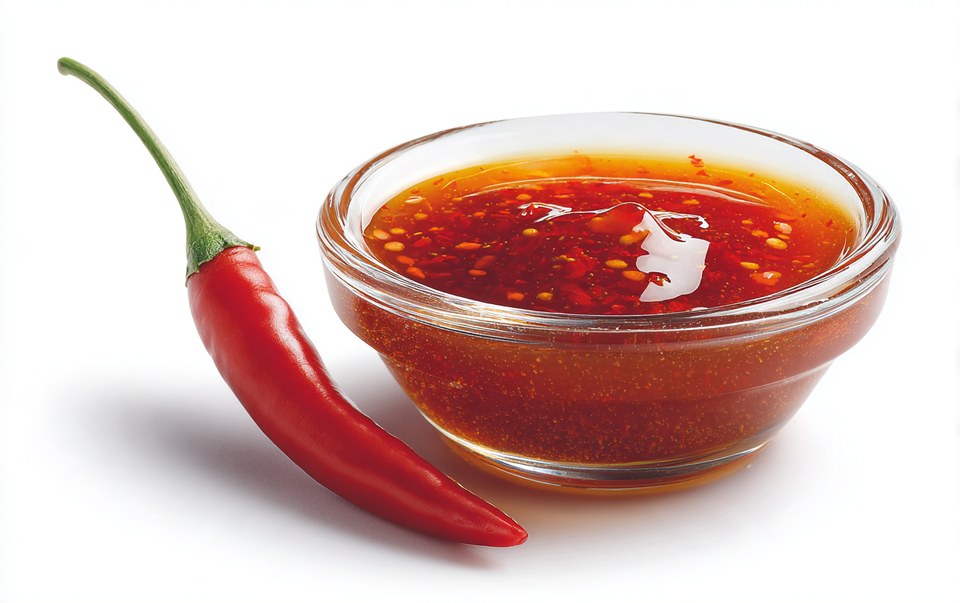
-
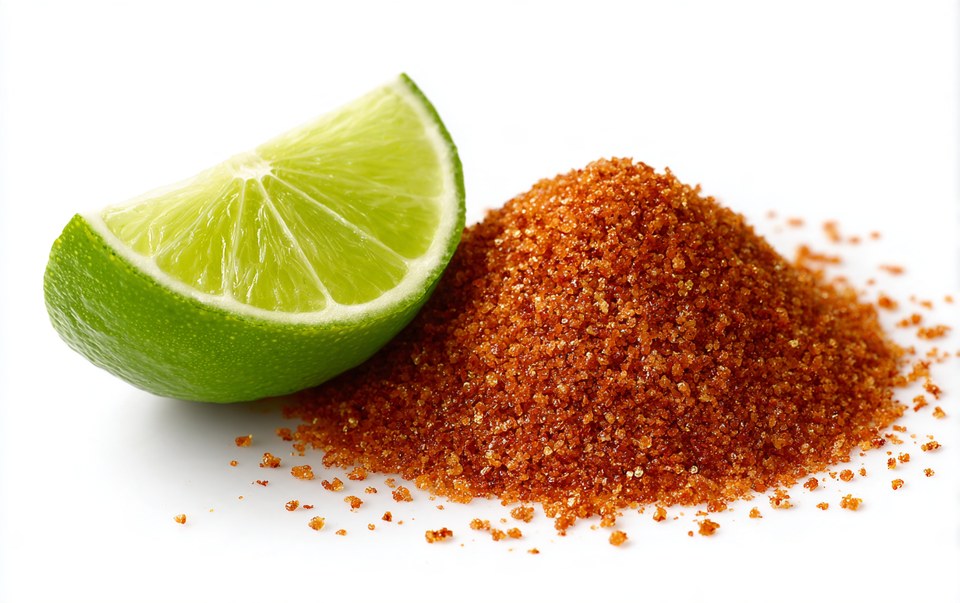
-
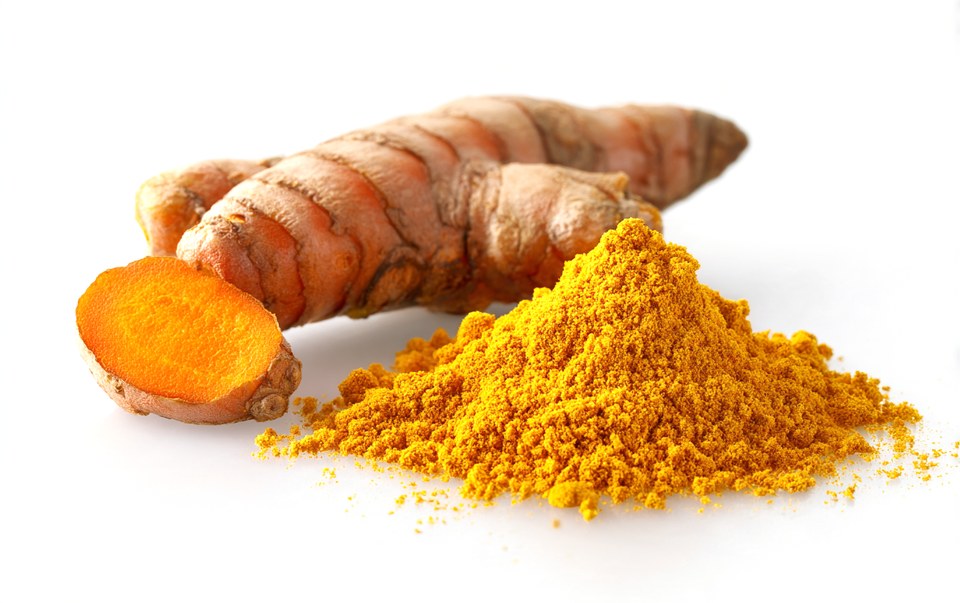
-
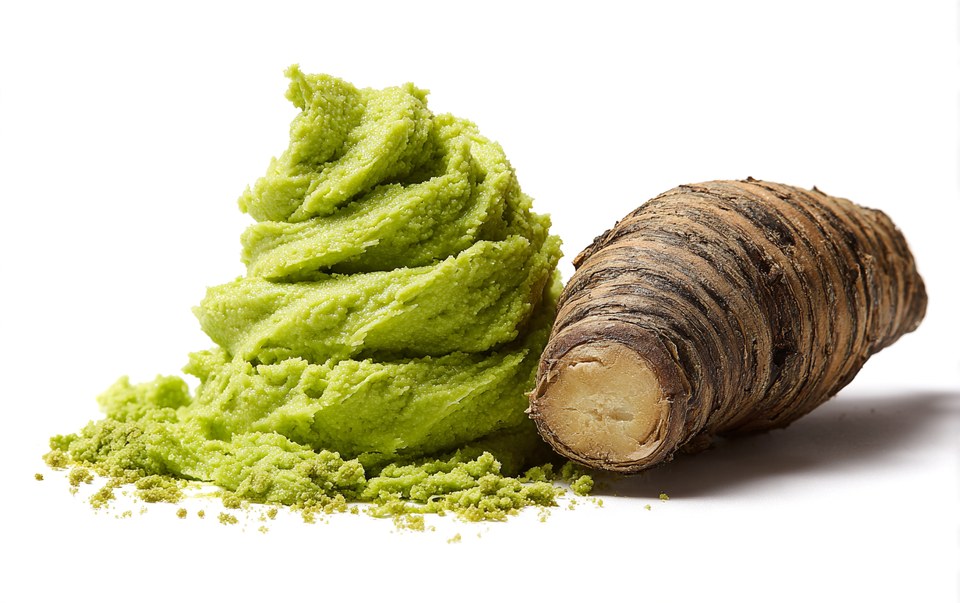
In your products
Flavour applications across the food and beverage industry
-
Spicy snacks & crisps
Powder and granule heat for seasoning systems, where the spicy notes sit alongside the salt and savoury ones.
Flavours for snacks → -
Ready meals, curry & sauces
Cumin, turmeric, garam masala and chilli, standardised so a curry tastes the same every batch, whether it is going over meat, vegetables or noodles.
Explore the hub → -
Confectionery
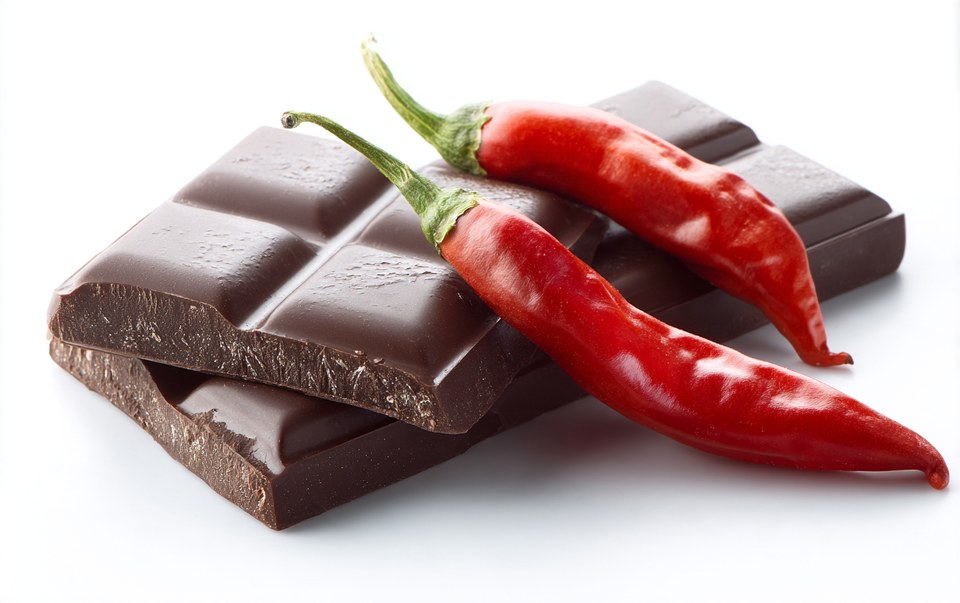
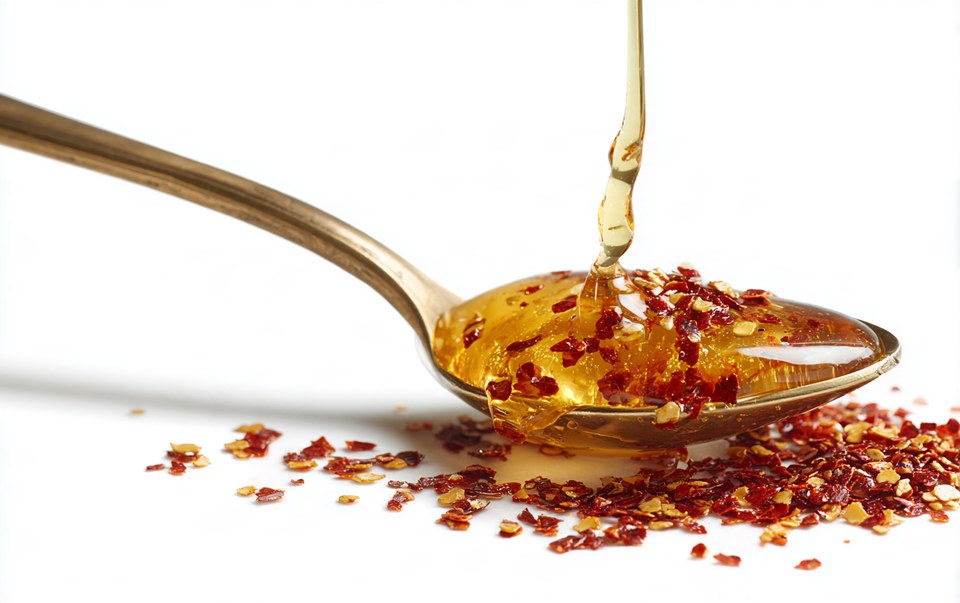
Chilli gummies, hot honey and chilli chocolate. The sweet end of spicy, and growing fast.
Flavours for confectionery → -
Bakery & patisserie
Cinnamon, ginger and mixed spice that hold their aroma through a full bake.
Flavours for bakery → -
Hot beverages
Chai, gingerbread and spiced latte profiles, in liquid and granule formats.
Explore the hub → -
Alcoholic & low-no
Ginger, cardamom and chilli for spirits, mixers and spiced RTDs.
Explore the hub →
Trend snapshot
Flavour trends and flavour combinations
Sweet heat is now mainstream in UK snacking and confectionery. Bakery and Snacks named swicy a defining 2026 trend, and Talking Retail has tracked chilli-coated gummies and hot honey hybrids moving into British sugar confectionery.
Buyers are asking for depth rather than novelty, and the quality bar has risen with it. A tangy or sour edge under the heat holds attention far longer than heat on its own, and the spicy flavours doing best layer heat under salt, garlic and aromatics rather than sitting it on top.
-
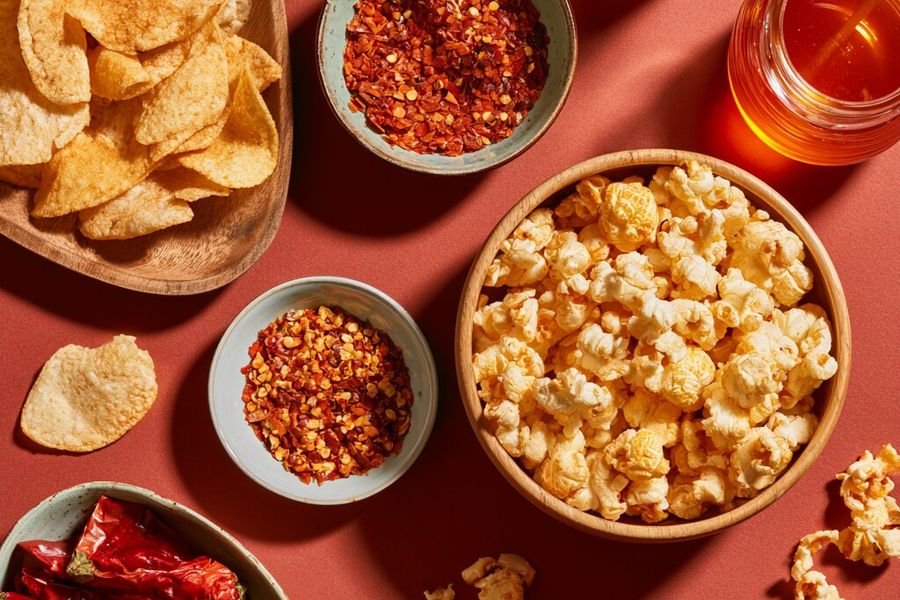
How ‘Swicy’ Is Reshaping Snacks, Sauces and Desserts
The ingredient architecture behind sweet heat, and where the balance point sits.
Read article → -

Brand New 2026 Snack Trends
Flavour layering, swicy formats and high-impact seasoning across UK snacking.
Read article → -

Autumn 2026 Flavour Systems: Beyond Pumpkin Spice
Chai, dark fruit and brown butter taking autumn share from the default spice blend.
Read article →
Get started
Get in touch
- Phone +44 (0)151 353 0330
- Sales sales@uren.com
- Flavours georgie.english@uren.com
-
Head office
Wood Park, Chester High Road,
Neston, Wirral, CH64 7TB
Questions
Spicy flavour FAQs
What makes a food taste spicy?
Spiciness is not a basic taste at all, it is a mouthfeel sensation. Capsaicin and its relatives trigger the same receptors that respond to heat and pain, so the burning sensation can affect the nose, mouth and throat. That is why a spicy dish can feel hot without changing temperature, and why milk quiets it faster than water: capsaicin dissolves in fat, not in water. Aromatic spices work the opposite way, through smell, changing the taste of a dish without any pungent sensation at all. Hot spices also move with temperature, so the same spicy taste bites harder in a warm sauce than a chilled one, and a pungent feeling that sits balanced at room temperature can take over once the product is served hot. Tolerance varies a lot between individuals too.
Is chilli the only source of heat?
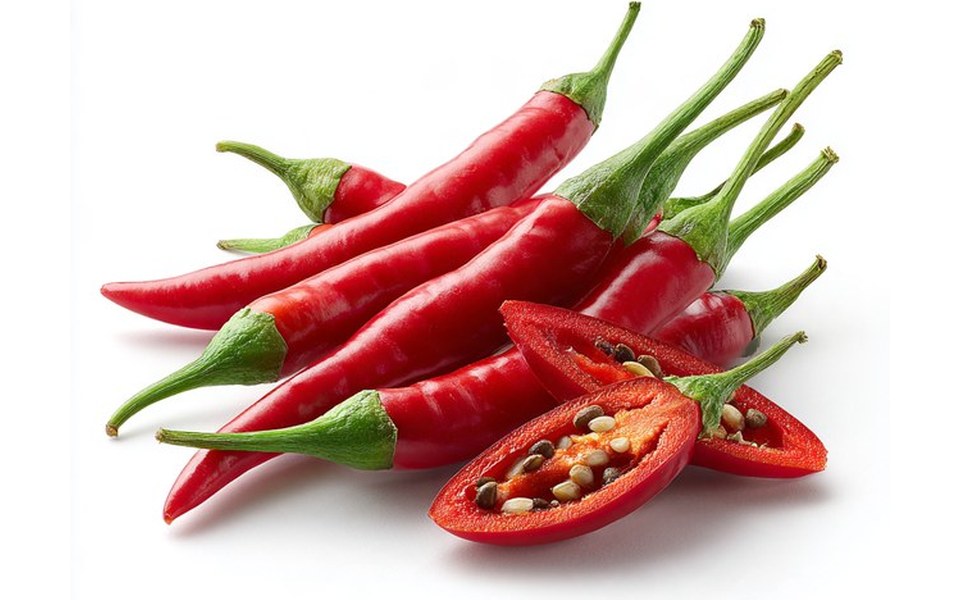
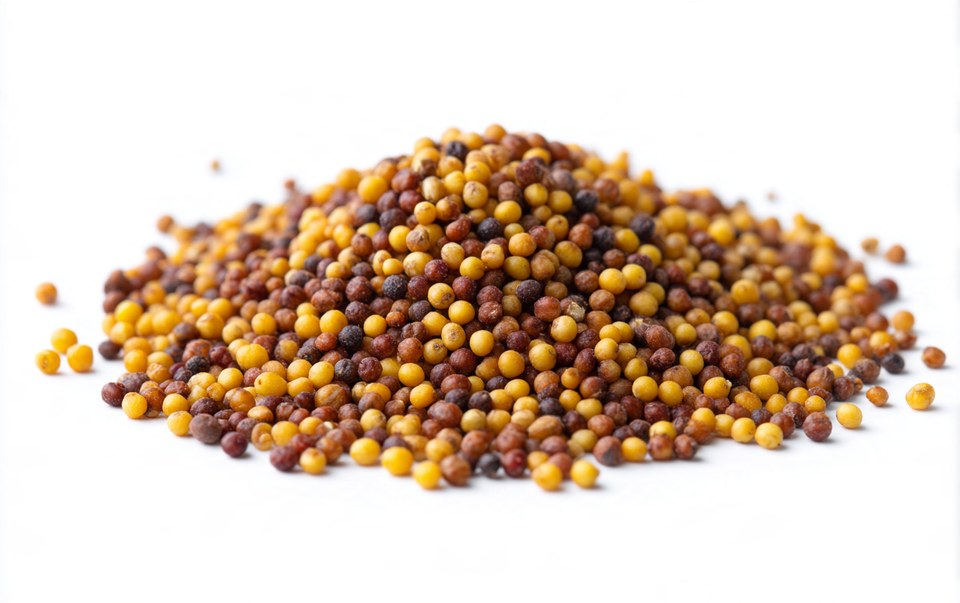
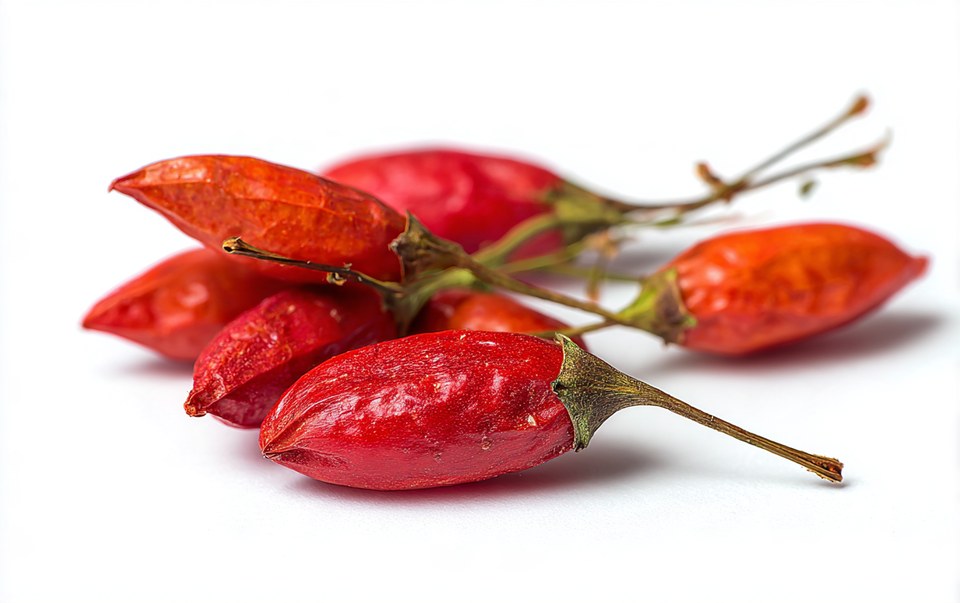
No, and the different sources behave differently. Capsaicin in chilli builds slowly and lingers in the mouth and throat. Piperine in black pepper is sharper and shorter. The compounds in mustard and wasabi are volatile, so the heat goes up the nose and disappears within seconds. Ginger sits somewhere in between. Choosing the right one is as much about timing as it is about intensity.
Which spicy tastes are the most popular?
Chilli and black pepper lead by a distance, followed by ginger, cinnamon, cumin and mustard. Chilli covers everything from gentle warmth to serious burn, black pepper is sharp and woody, and mustard and wasabi give a fast, nose-tingling heat that fades quickly. On the aromatic side, cinnamon, cardamom and chai carry most of the bakery and hot beverage volume. Spicy flavours are increasingly asked for as a complete taste rather than a single note, with the pungent sensation of chilli or pepper sitting inside a fuller savoury profile.
How do you balance heat in a product?
Heat is balanced by giving the palate something else to do. Fat and dairy coat the mouth and reduce the burn, sweetness competes with it and rounds it out, acidity brightens a dish and cuts through capsaicin, and starchy components dilute it. Layering matters too: heat placed under salt, garlic and aromatics tastes complex, while heat sitting on top of everything else tastes crude. Spicy flavours land differently in every format, so the balance point moves with the dish and with the other ingredients around it.
Which cuisines drive spicy flavour briefs in the UK?
Most of the volume comes from Indian, Thai, Mexican, Korean and Caribbean reference points, and briefs usually name a dish or a condiment rather than a spice: a katsu curry, a piri piri chicken, a gochujang glaze, a harissa marinade. Sichuan mala, chipotle and scotch bonnet are all appearing more often too. Each of these cuisines uses a different pepper to bring heat and depth, which is why a named dish tells us more than a named spice: it gives us the whole flavour profile, the salt, garlic and onion under the heat as well as the pepper on top.
Can you specify a chilli flavour to a heat level?
Yes. Give us a Scoville range, or a benchmark product you want to sit alongside, and we will build to it and hold it batch to batch. Heat also keeps building after the first kick, so an inclusion level judged on one mouthful at the bench often lands too high in the finished dish. Tell us how the seasoning is applied as well, because topical dosing on a crisp and heat dispersed through a sauce need different inclusion levels to land in the same place.
What is swicy, and how do you formulate for it?
Swicy is sweet heat: a chilli finish framed by sweetness, in things like hot honey popcorn, chilli chocolate and sweet chilli coatings. The formulation point is that sweetness leads and heat supports. Tastewise data puts sweetness in around 97 per cent of swicy conversation against heat in 78 per cent. We build these as single composite flavours rather than dosing a sweet and a hot ingredient separately, because the two curves peak at different times and have to be brought together deliberately.
Do spice flavourings survive baking?
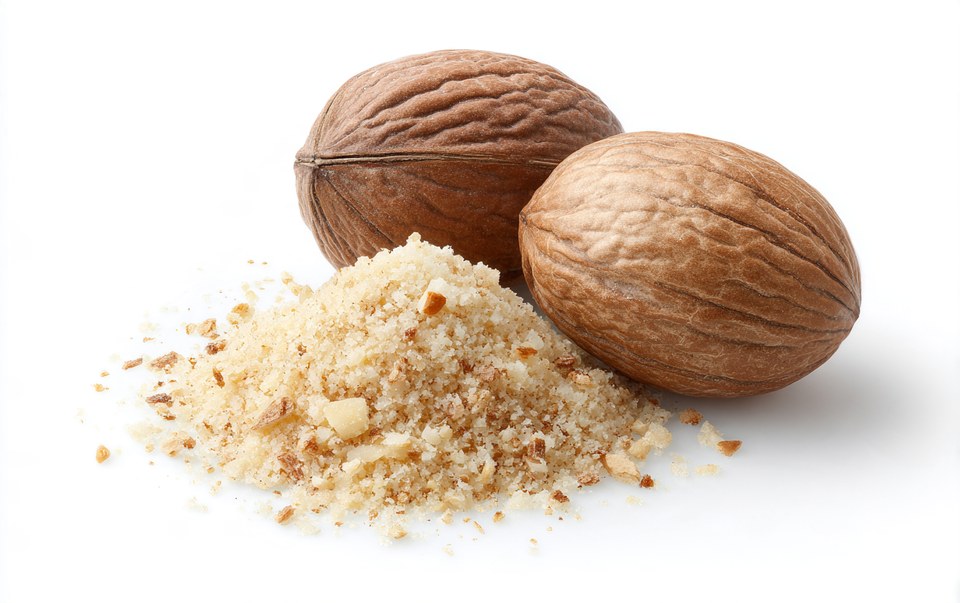
Warm baking spices hold well. The aroma compounds in cinnamon, clove and nutmeg survive a full bake, which is why they became baking spices in the first place. Fresh, volatile profiles like ginger and citrus-edged spice need a heat-stable or encapsulated build. Chilli heat survives almost anything you put it through, so the risk with capsaicin is the reverse: it lands hotter in the finished product than it did on the bench.
Why use a spice flavouring instead of ground spice?
Consistency and cost-in-use, mostly. Ground spice varies by harvest, origin and storage, so the same recipe drifts through the year. Flavourings hold a fixed profile, dose at fractions of the weight, avoid the speck and colour that ground spice brings, and carry a much lower microbiological risk. Plenty of recipes use both ingredients: ground spice for appearance and authenticity, flavouring to hold the profile steady.
Do you supply organic and natural spice flavourings?
Yes. Uren is Soil Association Approved and supplies natural flavourings across the spice family. For a “natural [spice] flavouring” declaration on a UK label, at least 95 per cent of the flavouring component has to come from that spice, which we can meet on most profiles in the range.
Which spice flavours work in drinks?
Ginger and cardamom cross into drinks most easily, followed by cinnamon and chai for hot beverages and spiced RTDs. Chilli works in mixers and in tropical pairings like mango chilli, though at much lower inclusion than a food application would need, because heat carries further in liquid. Star anise and clove are powerful and best used as accents rather than leads.