
Bright, Zesty Citrus Flavours
Lemon, lime, orange and mandarin through to yuzu, bergamot and blood orange. Natural flavourings and extracts, juices and purees, from one UK supplier.
Overview
About Citrus Flavours
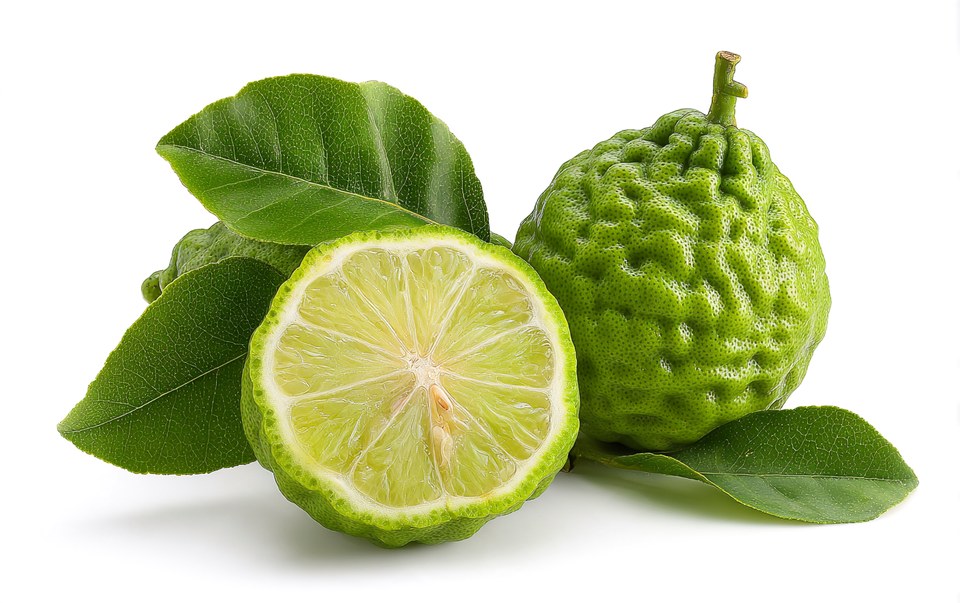
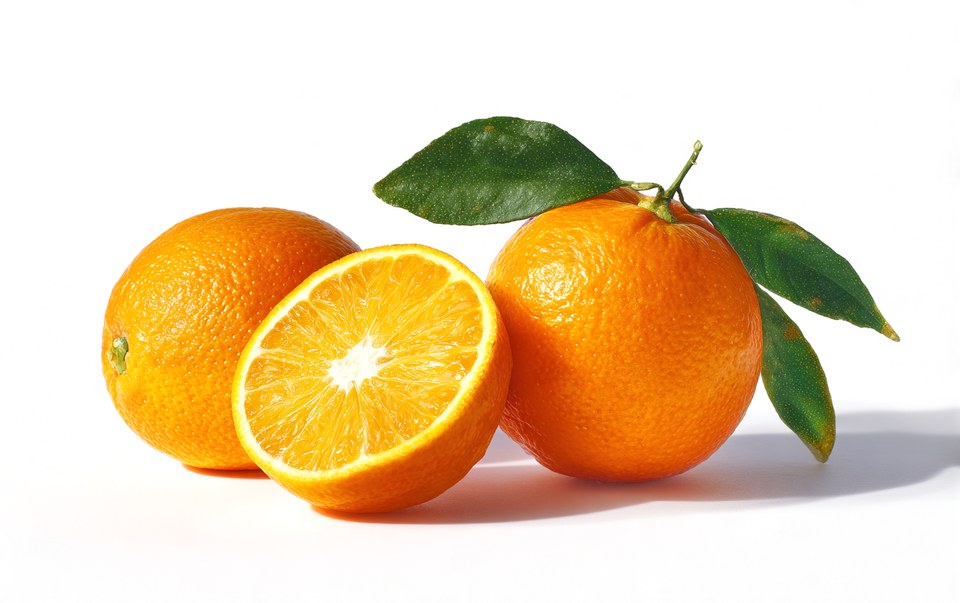
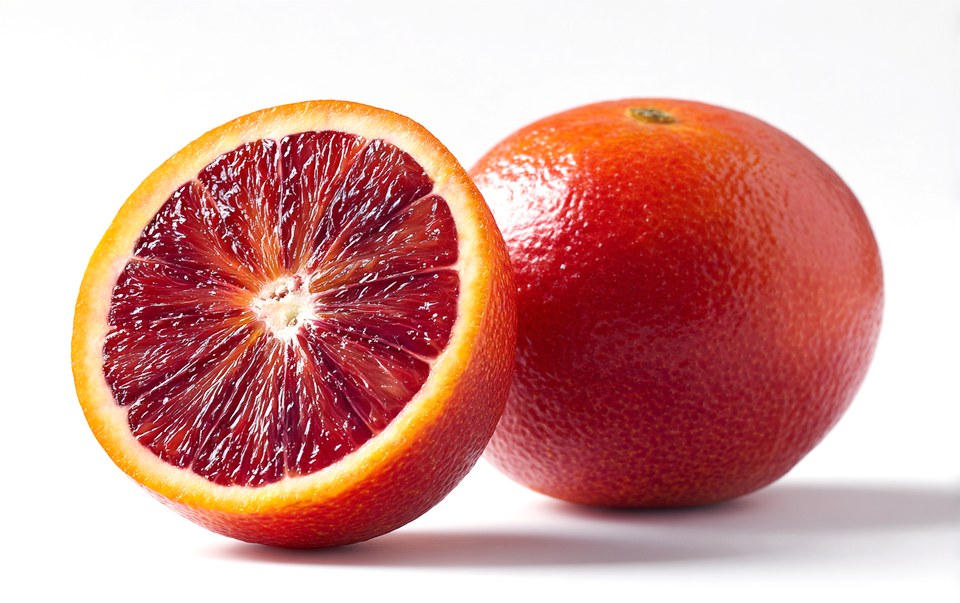
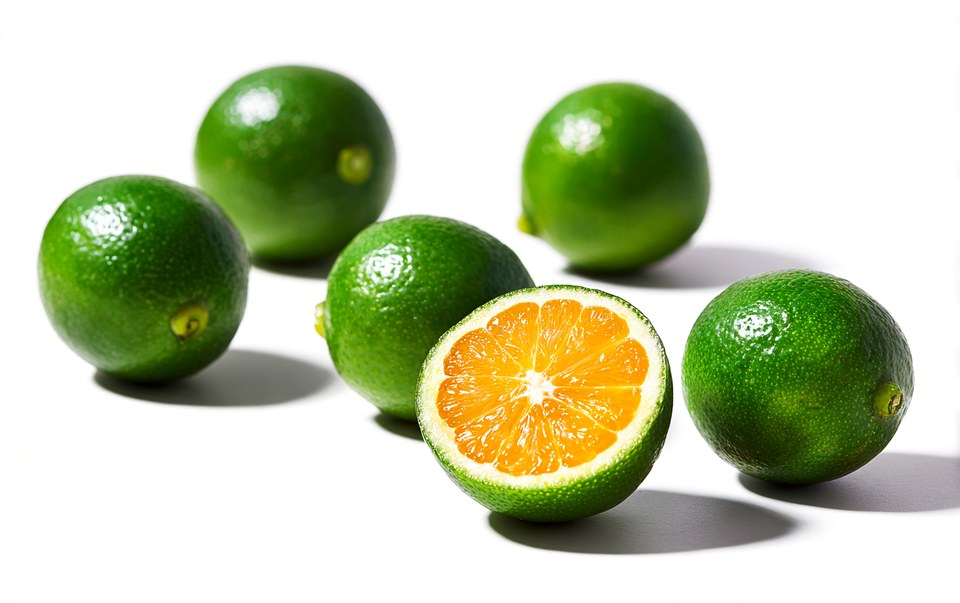
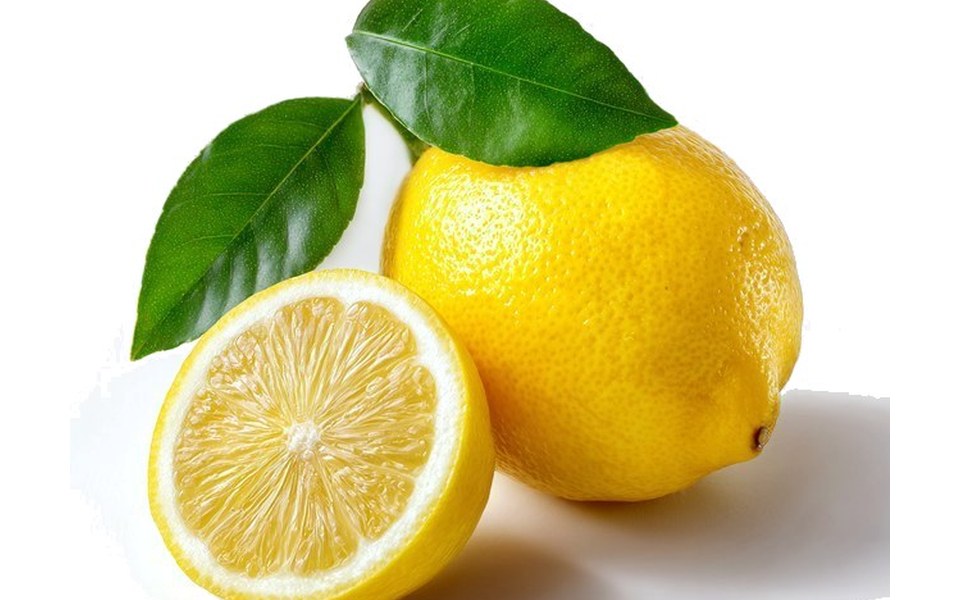
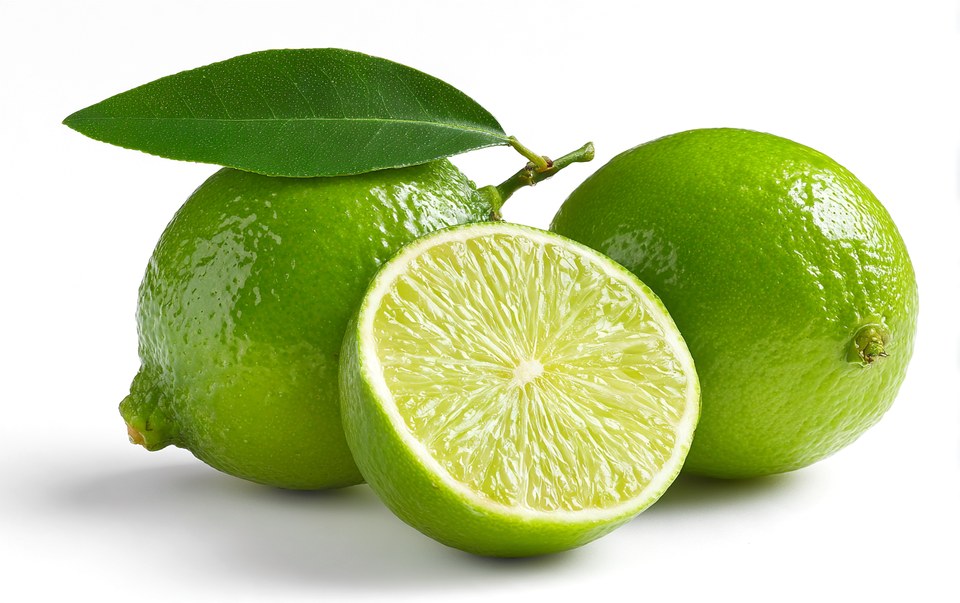
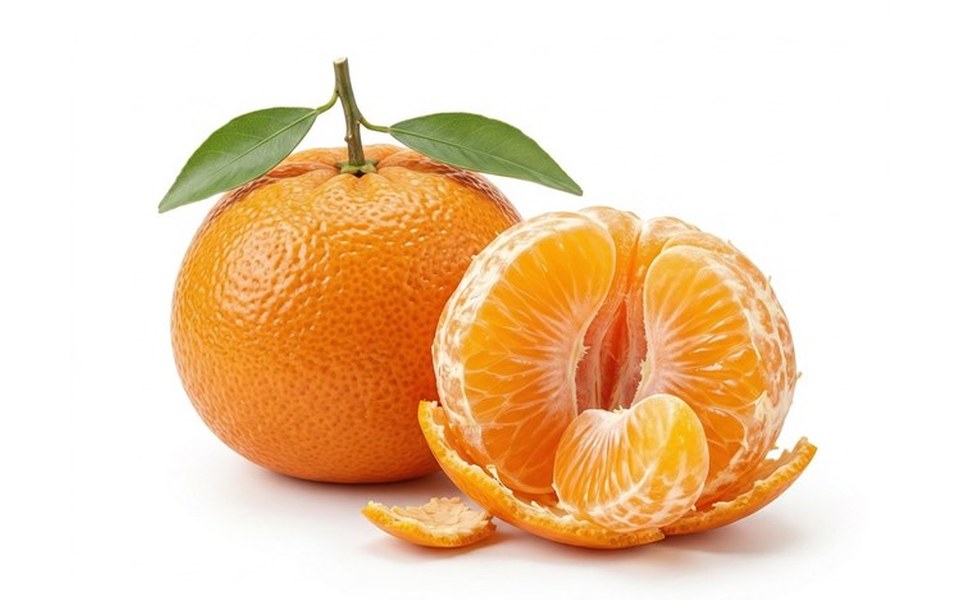
Citrus flavours like lemon, lime, orange and mandarin, through to speciality varieties such as yuzu, bergamot and blood orange, are among the most widely used flavours in food and drink. Bright, zesty and refreshing, citrus balances sweetness with acidity and adds a freshness that lifts almost any product. Sweetness, aroma, colour and texture are all completely customisable with the right blend of citrus flavours.
Fresh citrus fruit has its limitations. Fruit is seasonal, lemons peak from late winter into spring, and the aromatic oils in the peel oxidise quickly once the fruit is cut. Flavourings, extracts, juices and purees hold that character steady, giving the same profile all year round.
Uren is a leading supplier of citrus flavours and high quality ingredients to the UK food and beverage industry. Specialising in natural and organic flavourings and extracts, we are at the forefront of clean label development and supply working with top food and beverage manufacturers. Where the recipe needs declarable fruit content, our juices and purees are ideal.
Our range
Explore our Citrus Flavours
-
-
-
-
-
-
-
-
-
-
-
-
-
-
-
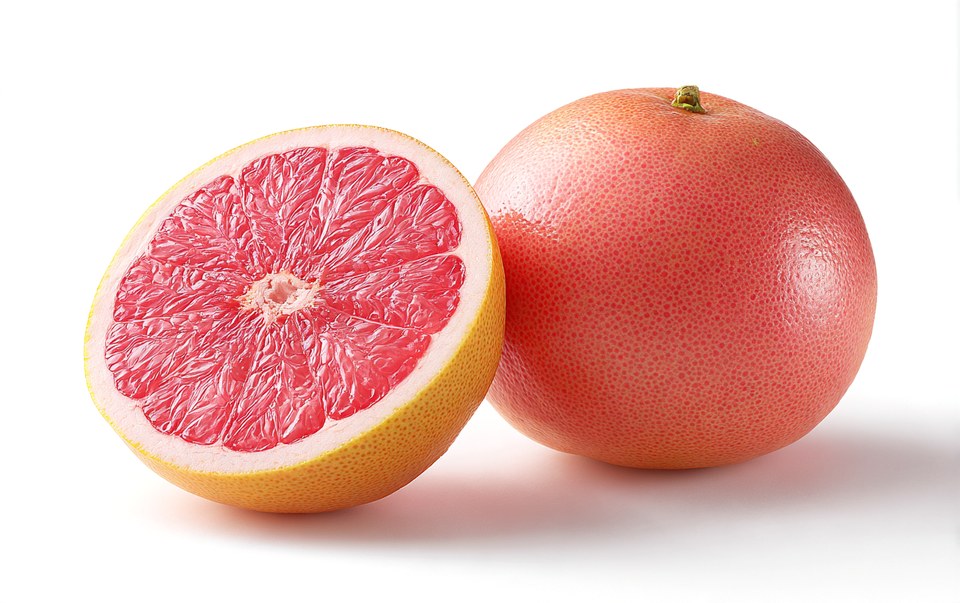
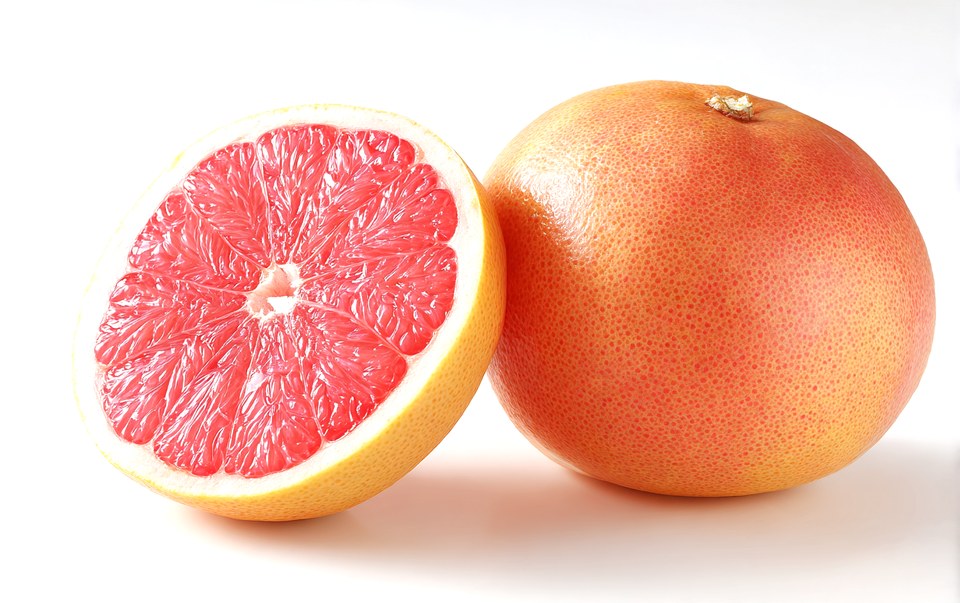
Pink grapefruit
Refreshing, juicy and bitter-sweet. Increasingly popular in soft drinks.
Request this → -
-
-
-
In your products
Flavour applications across the food and beverage industry
-
Soft drinks & RTD
Lemon, lime and orange stay bright through cold-fill and clear PET, and are the backbone of the category.
Flavours for soft drinks → -
Alcoholic & low-no
Bergamot, blood orange and grapefruit for spirits, seltzers and the adult non-alcoholic shelf.
Explore the hub → -
Confectionery
High-impact citrus that survives boiling and holds its lift in gummies, sweets and coated snacks.
Flavours for confectionery → -
Bakery & patisserie
Heat-stable lemon and orange for curds, drizzles, cakes, pastries and baked goods.
Flavours for bakery → -
Dairy & ice cream
Lemon and yuzu against a cream base, and citrus to lift rich desserts like panna cotta.
Flavours for dairy → -
Savoury, sauces and marinades
Citrus is central to vinaigrettes and marinades, and it lifts savoury dishes by cutting through rich, fatty flavours.
Explore the hub →
Trend snapshot
Flavour trends and flavour combinations
New trends in citrus are all in the speciality tier, and the flavour profiles buyers ask for have widened with them. Citrus is the leading flavour tonality in global beverage development, appearing in around 22 per cent of new drinks launches over the past three years. What has changed is which citrus. Regional varieties are pulling the category upmarket: yuzu, calamansi, blood orange and bergamot now carry the premium cues that lemon and lime used to.
In soft drinks, citrus anchors the adult non-alcoholic fizz that zebra striping has made mainstream, where a drink has to taste complex enough to replace a round, and it takes a lot of the HFSS reformulation load, because peel-led bitterness and acidity keep a drink interesting when the sugar comes out. The same pattern runs through cocktails and mixers, where a tart citrus carries the drink, honey or warm spice softens the finish, and product launches have followed. Citrus also pairs exceptionally well with tropical fruit, as seen in the latest launches.
-
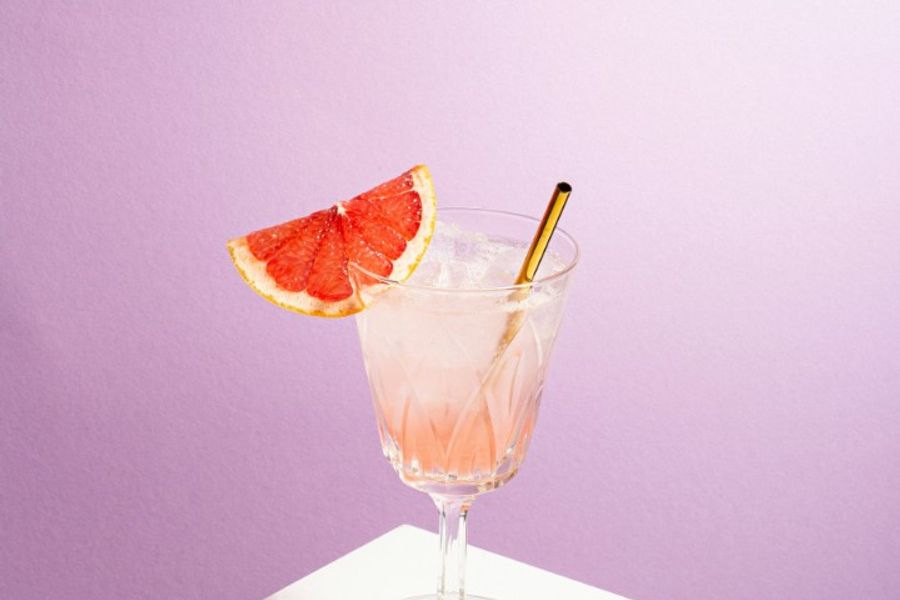
Zebra Striping, Non-Alcoholic Fizz and Summer Soft Drinks
Adult non-alc and HFSS-driven NPD, where citrus complexity adds interest.
Read article → -
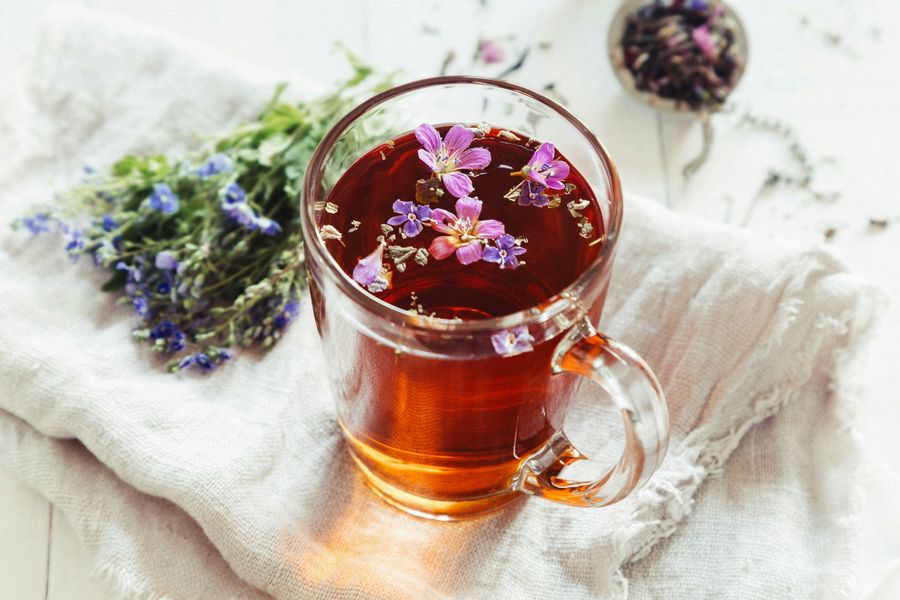
Tea Flavours for Manufacturers: Granulated and Encapsulated
Bergamot and citrus in a category still leaning heavily on mass-market black tea.
Read article → -
2026 Flavour Trends to Watch
Yuzu, blood orange and bergamot among the profiles moving fastest this year.
Read article →
Get started
Get in touch
- Phone +44 (0)151 353 0330
- Sales sales@uren.com
- Flavours georgie.english@uren.com
-
Head office
Wood Park, Chester High Road,
Neston, Wirral, CH64 7TB
Questions
Citrus flavour FAQs
Which citrus flavours does Uren supply?
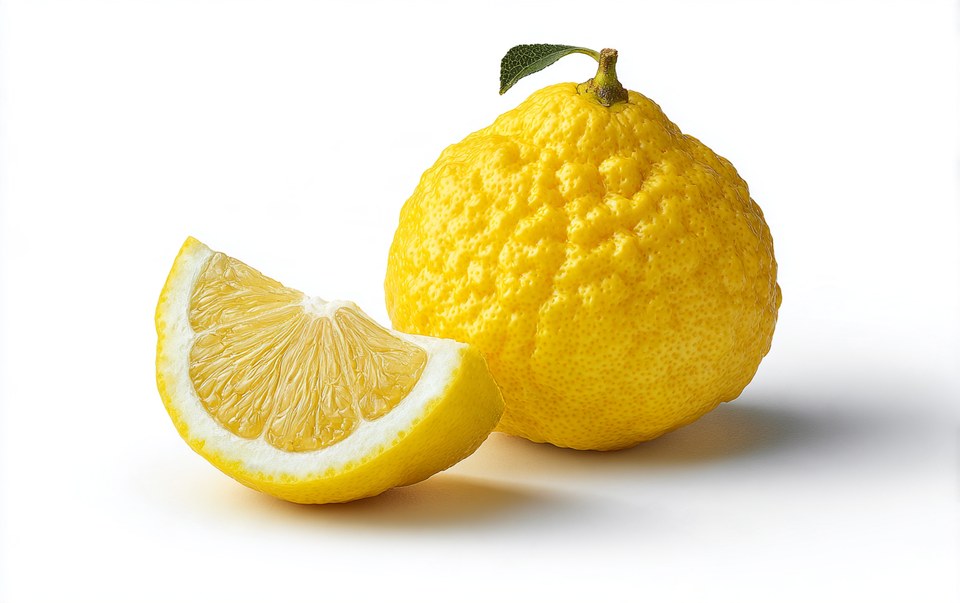
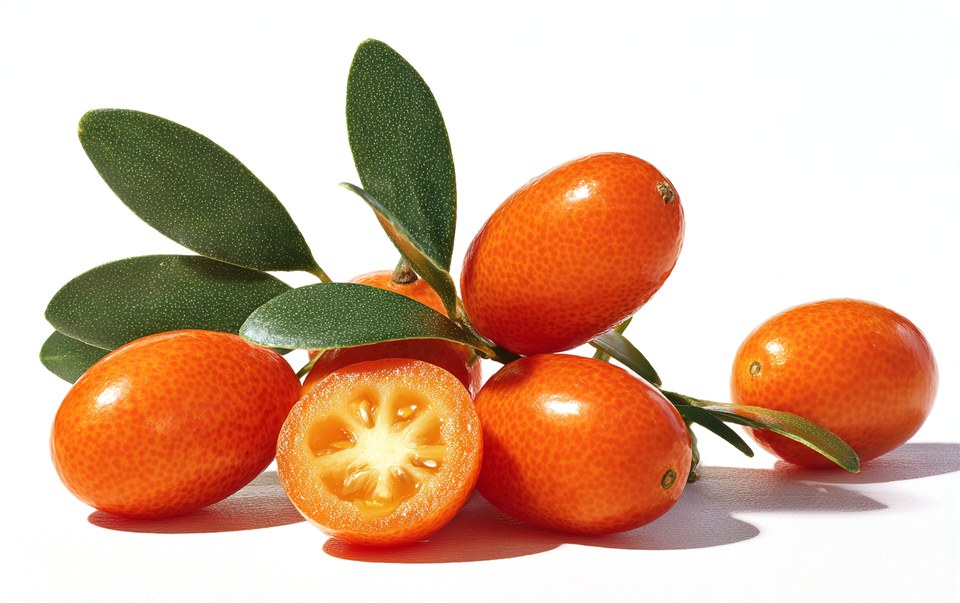
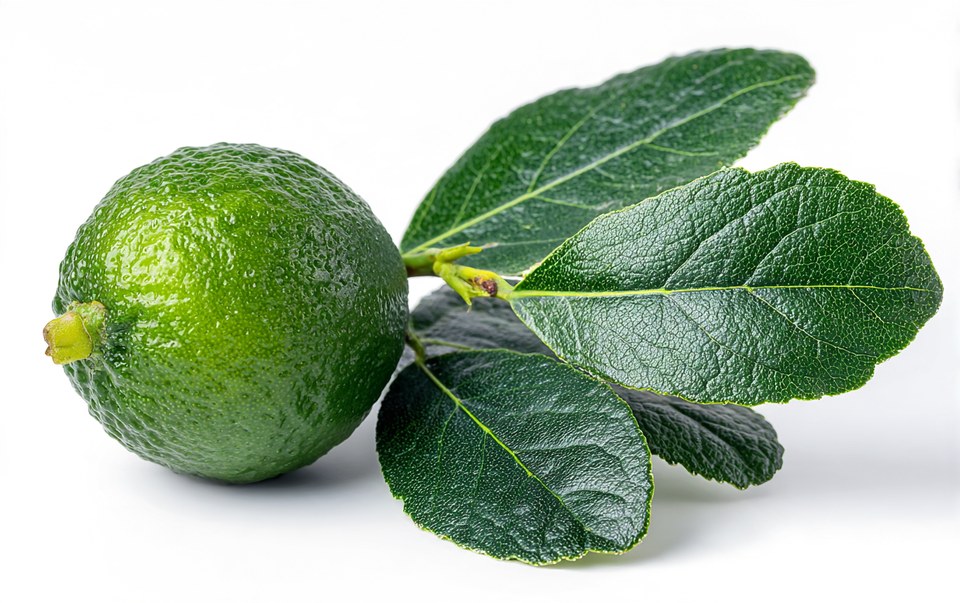
We supply over 15,000 natural flavourings and extracts, from everyday lemon, lime, orange, mandarin and grapefruit to speciality citrus varieties like bergamot, blood orange, calamansi, kumquat, pomelo and yuzu. Each one comes in a juicy, peel-led or pith-forward character rather than a single generic build. If you can’t see what you’re looking for, just ask.
What gives citrus its flavour?
Most of the character comes from the peel, not the juice. Cold-pressed peel oil carries the terpenes, limonene above all, along with the aldehydes that give lemon and lime their fresh-cut lift. The juice brings the acidity. That is why zest adds so much flavour without adding liquid, and why the same fruit tastes completely different depending on which part of it the flavour is built from.
Which citrus flavours are the most popular?
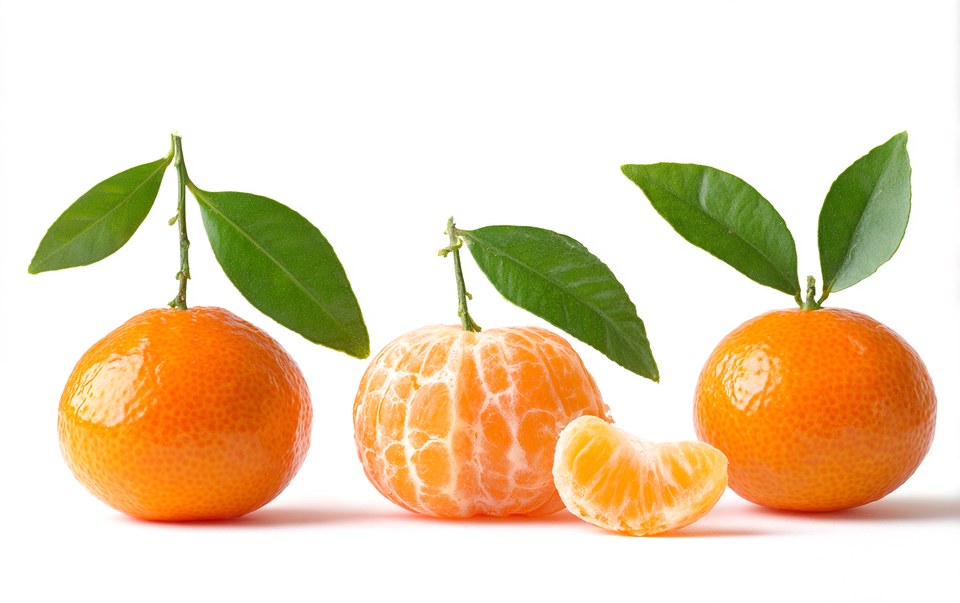
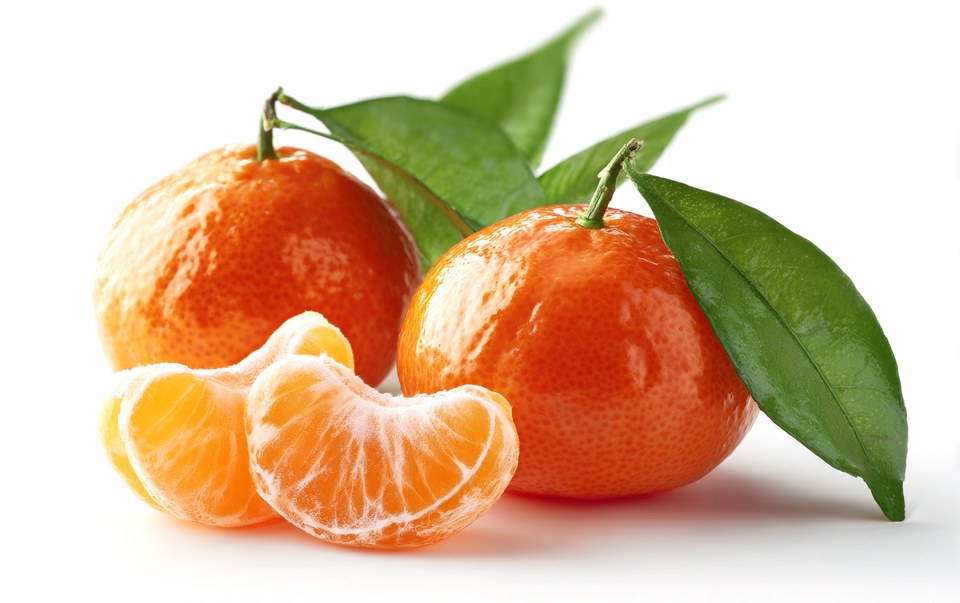
Lemon, lime, orange, mandarin and grapefruit account for most of the volume. Lemon is the most versatile, lime is sharp and zesty, orange is sweet and peel-led, mandarin is softer and less bitter, and grapefruit is bitter-sweet with a hint of pith that works beautifully in sour drinks. Beyond those five, yuzu, bergamot, blood orange and calamansi are all gaining in popularity.
Are all citrus fruits related?
Yes. Almost every citrus fruit grown today descends from three originals: citron, pomelo and the mandarin orange. Sweet orange is a cross of mandarin and pomelo, grapefruit came from sweet orange and pomelo, and lemon traces back to citron and bitter orange. It is why citrus profiles blend so easily with other citrus fruits, and why the family covers so much ground from sweet through to sharply bitter.
What can citrus flavours be used in?
Almost everything, which is part of the appeal. Soft drinks, RTDs, cocktails and mixers are the biggest categories, followed by bakery, where citrus lifts cakes, pastries, curds and other baked goods. It works beautifully in dairy and ice cream, cutting through a cream base and brightening rich desserts like panna cotta. Citrus is also a natural counterpoint to sweetness, and central to vinaigrettes, marinades and seafood.
Do citrus flavours work in savoury products?
Yes 100%. The acidity cuts through rich, fatty dishes and balances strong flavours, which is why citrus is central to vinaigrettes, marinades, sauces and seafood. It also improves overall flavour perception, so a recipe can carry less salt without tasting flat. Fresh citrus juice tenderises tougher cuts of meat, though that comes from the fruit rather than from a flavouring.
Why does my citrus flavour fade on shelf?
Almost always oxidation. The terpenes in peel oil break down in light, warmth and oxygen, and limonene in particular turns flat and faintly cardboard. Folded and terpeneless oils hold much better in clear PET or glass. If you are seeing fade before end of life, send us the pack format and the storage conditions and we will look at the build with you.
What is the shelf life on citrus fruit and juice?
Citrus has the shortest cold-store life in our fruit range, around six months, against roughly twelve for the rest. Flavourings and extracts hold considerably longer, so plan citrus fruit and juice orders a little tighter than you would for berry or tropical.
Can citrus flavours survive baking and retort?
With the right build, yes. Standard liquid citrus will strip out under a hard bake or retort. Encapsulated and spray-dried powders protect the top note through the heat step and release it later, and heat-stable liquid builds hold for shorter, gentler processes. Tell us the process and we will match the build to it.
Do you supply organic and natural citrus flavourings?
Yes. Uren is Soil Association Approved, and we supply natural flavourings across the citrus family. “Natural lemon flavouring” on a UK label requires at least 95 per cent of the flavouring component to come from lemon, which we can meet on most profiles.
What is yuzu and is it worth the premium?
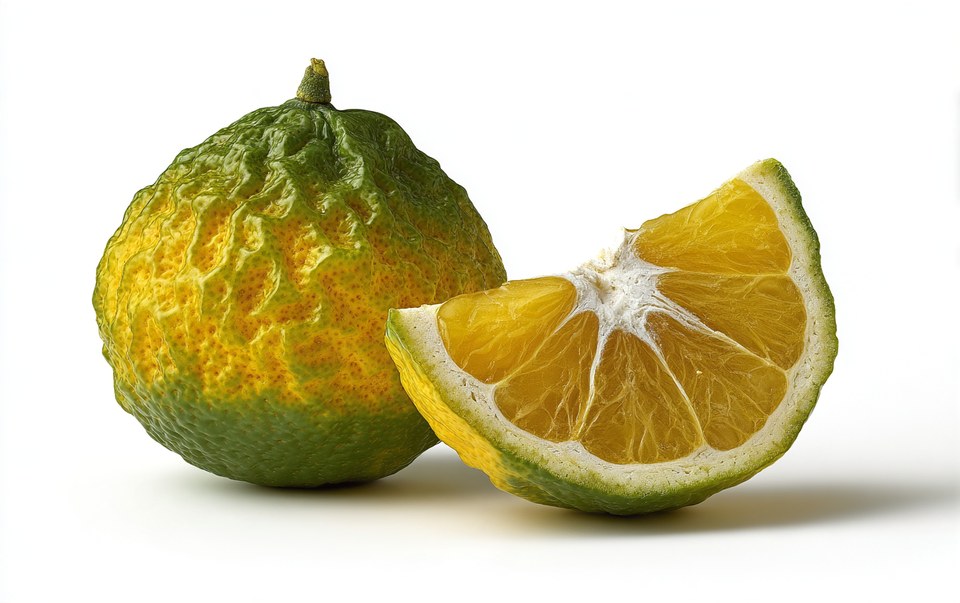
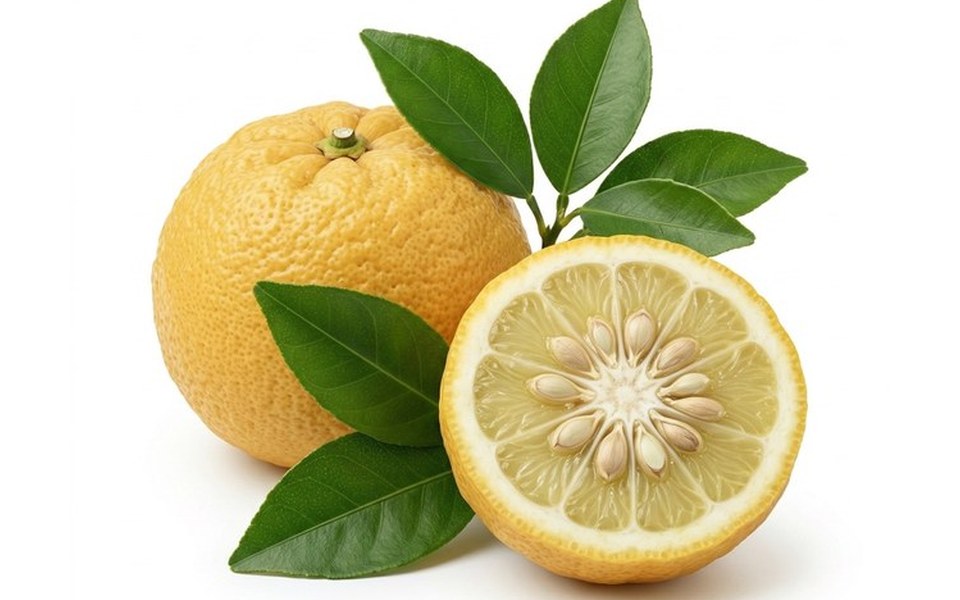
Yuzu tastes like grapefruit, mandarin and something floral all at once, with far more aromatic complexity than any single Western citrus. It is expensive as fruit, so it is mostly used as a flavouring or extract. It pays for itself when a product is trading on being interesting rather than familiar, which is why it keeps appearing in premium soft drinks, spirits and desserts.